

Table of Contents
- The buzz that won’t fade
- When hype turns into doubt
- What truly sets this shooter apart
3.1. Pulse‑pounding combat mechanics
3.2. Map evolution and loot dynamics 3.3. Audio that raises the stakes - Inside the core systems
4.1. Loadout limits and backpack strategy
4.2. AI enemies and exfiltration routes 4.3. Newcomer‑centric game modes - Discount waves and community momentum
- A practical starter checklist
6.1. Essential pre‑run steps
6.2. Frequent missteps to avoid - Looking ahead: sustainability and growth
- Bottom line: why the risk feels worth it
1. The buzz that won’t fade
Every time a fresh title drops into the competitive arena, the conversation spirals into a predictable rhythm. Early headlines scream about breakthroughs, while later whispers wonder whether the experience can survive beyond the launch window. For the current Marathon extraction shooter, that cycle has taken on a heightened edge. Critics have already drafted digital obituaries, industry analysts have highlighted dwindling Steam charts, and comparisons to a seasoned franchise’s post‑expansion trajectory dominate forums. Yet beneath the noise lies a design that rewards curiosity, strategic planning, and raw tension. If you’ve ever felt the itch to test your reflexes against both AI and real‑world opponents while chasing valuable loot, this might be the moment to reconsider.
2. When hype turns into doubt
The fervor surrounding a release can quickly pivot into skepticism when three factors intersect: lofty expectations, a steep learning curve, and a perceived lack of onboarding resources. In this case, the anticipation was amplified by years of franchise loyalty, leading many to judge the newcomer through nostalgic lenses. Add to that a “kill‑fast” tempo that leaves little room for error, and the barrier to entry appears formidable. Observers have pointed to these elements as reasons for the game’s modest concurrent player counts, a metric that traditionally signals potential trouble for any live‑service title.
3. What truly sets this shooter apart
Instead of focusing on the negativity, let’s explore the elements that genuinely differentiate the experience.
3.1. Pulse‑pounding combat mechanics
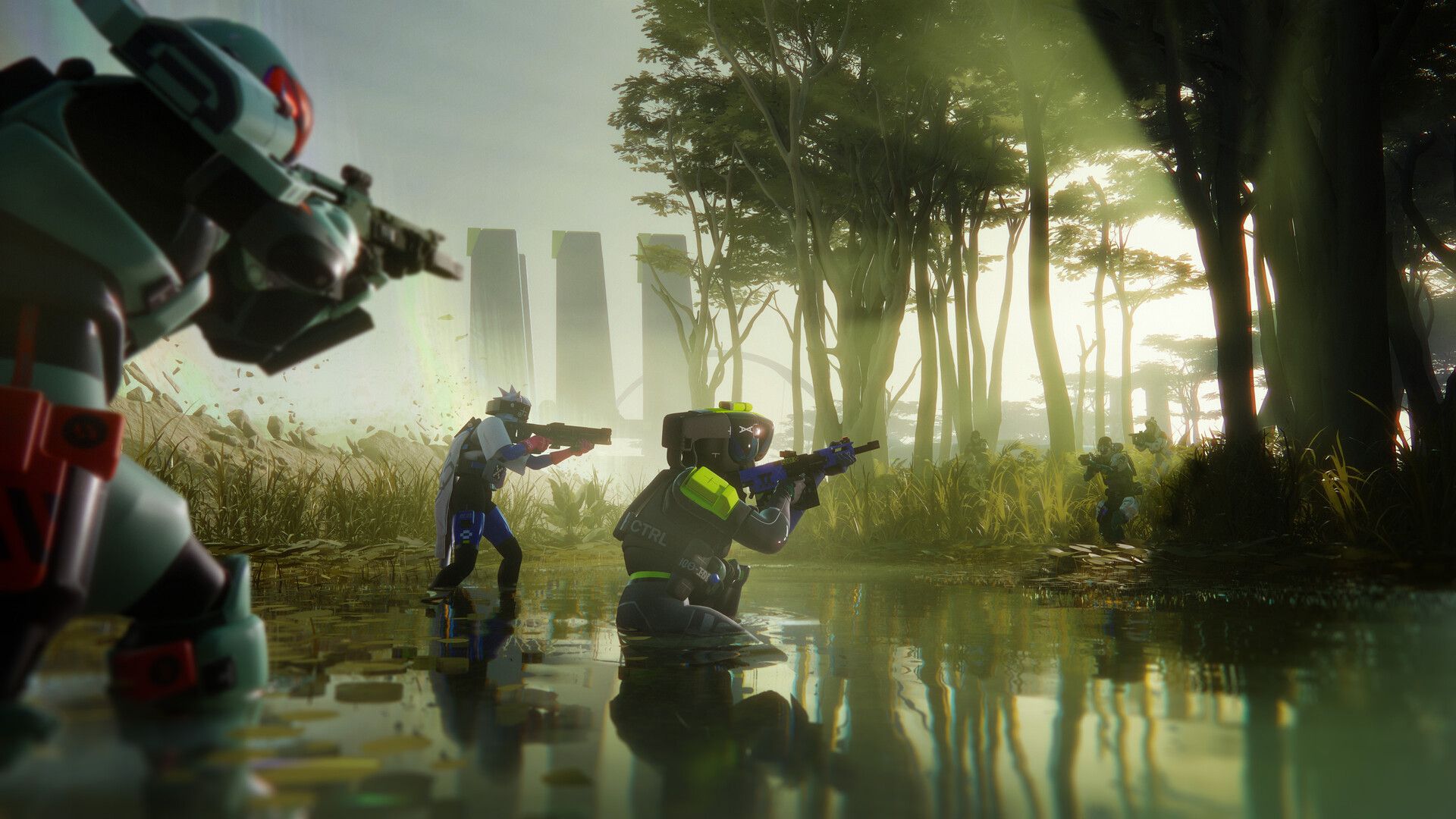
The combat loop revolves around high‑risk encounters that blend third‑person shooting with loot‑driven objectives. Every match begins with a brief preparation window, during which you equip a modest arsenal and a limited inventory slot. As you step onto the map, the tempo spikes—enemies materialize, AI patrols shift, and the ever‑present threat of player‑run ambushes keeps heart rates elevated. The satisfaction of landing a precise shot while simultaneously scouting for a high‑value crate creates a constant push‑and‑pull dynamic that many comparable titles fail to replicate.
3.2. Map evolution and loot dynamics
Early rounds typically unfold as scavenger hunts, with players hunting for keycards, power cells, or decontamination packs scattered across sterile corridors. As the match progresses, certain zones transform into “loot pinatas” where concentrated resources spawn, drawing multiple factions into tight, contested spaces. Securing these hotspots grants access to rare items that can dramatically boost future extraction success. The fluidity of map states—from quiet, low‑tension exploration to frantic, corridor‑clearing firefights—offers a variability that keeps each run feeling fresh.
3.3. Audio that raises the stakes
Sound design functions as an invisible guide. A subtle ambient track layers additional instruments once your fireteam commits to a match, subtly amplifying anticipation. When the match timer ticks down or a severe environmental hazard looms, the audio ramps up, cueing participants to tighten coordination. This auditory feedback loop not only enhances immersion but also reinforces strategic decision‑making without the need for intrusive UI prompts.
4. Inside the core systems
Understanding the nuts and bolts of the loop helps you navigate the steep learning curve more effectively.
4.1. Loadout limits and backpack strategy
A core rule: you start with a tiny default backpack that cannot hold all essential items. Over the course of a run, you must decide between carrying additional ammunition, extra healing components, or high‑value salvage. This limitation forces careful prioritization and often leads to daring trade‑offs—trading off immediate firepower for a priceless artifact that might unlock a future raid. Mastering this balance becomes a skill that separates seasoned players from newcomers.
4.2. AI enemies and exfiltration routes
AI-controlled threats occupy specific map nodes, acting as both obstacles and potential loot sources. Some enemies guard contested exfil points, demanding either a tactical retreat or a coordinated assault. Successfully navigating these AI‑dense zones requires knowledge of patrol patterns and the ability to predict spawn timers. When timed correctly, a squad can clear a path, extract valuable cargo, and retreat before rival players arrive.
4.3. Newcomer‑centric game modes
To soften the entry barrier, the developers introduced a mode that drops every participant into a stripped‑down loadout, leveling the playing field from the outset. This variant departs from the original high‑stakes design and resembles battle‑royale mechanics, offering a gentler introduction for those wary of immediate power gaps. Additionally, beginner‑friendly matches allow players to practice in isolated environments before being thrust into full‑scale competitive lobbies.
5. Discount waves and community momentum
A recent price reduction across major platforms has sparked renewed interest. Steam, PlayStation 5, and Xbox all now list the title at a modest discount, inviting players who were previously hesitant to experiment. Early signals suggest a modest uptick in concurrent users after the promotion, though the long‑term impact remains uncertain. Historically, similar discounts have produced short‑term spikes but rarely transformed sustained player bases unless paired with compelling content updates.
6. A practical starter checklist
6.1. Essential pre‑run steps
- Scout the map layout – Familiarize yourself with key zones, exfil points, and AI patrol routes before committing to a match.
- Prioritize inventory slots – Decide early whether you’ll carry extra ammo, extra salvage, or a combination. Remember the backpack’s limited capacity.
- Choose a team role – Assign clear responsibilities: scanner, looter, defender, or exfil‑runner. Cohesion amplifies efficiency.
- Monitor audio cues – Pay attention to subtle shifts in the soundtrack; they often signal upcoming hazards or loot spawns.
- Set personal objectives – Whether it’s securing a specific artifact or testing a new weapon, having a clear target keeps the run focused.
6.2. Common missteps to avoid
- Overextending without backup – Venturing too far from teammates can expose you to sudden ambushes.
- Ignoring AI behavior patterns – Many players dismiss AI as background noise, yet mastering these patterns can provide safe corridors.
- Chasing every loot spawn – Not every high‑value container is worth the risk; evaluate the potential reward versus the probability of enemy interception.
- Neglecting the beginner mode – Skipping the stripped‑down experience may lead to repeated frustration for newcomers.
7. Looking ahead: sustainability and growth If the developers can maintain a steady cadence of content drops—new maps, seasonal events, or balance patches—the game stands a realistic chance of carving out a resilient niche. Comparing the projected trajectory to that of other extraction hybrids, such as Hunt: Showdown, reveals a pattern: early player investment often hinges on perceived long‑term value. Bungie’s track record suggests they possess the technical expertise to iterate, but the community’s willingness to give the title a fair chance remains the decisive factor.
8. Bottom line: why the risk feels worth it
The Marathon extraction shooter offers a blend of high‑stakes tactics, immersive audio design, and evolving map dynamics that few contemporary titles can match. While the initial learning curve is steep and the early competition may feel unforgiving, the rewards—both in terms of loot acquisition and personal mastery—can be substantial. For players who relish the thrill of calculated risk, who enjoy deciphering AI routines, and who thrive on cooperative strategy, giving the game a fair trial after the recent discount could prove to be a surprisingly enriching experience.
Prepared for InTechByte – a platform dedicated to delivering thoughtful analysis and opinion on the latest developments shaping interactive entertainment.
