


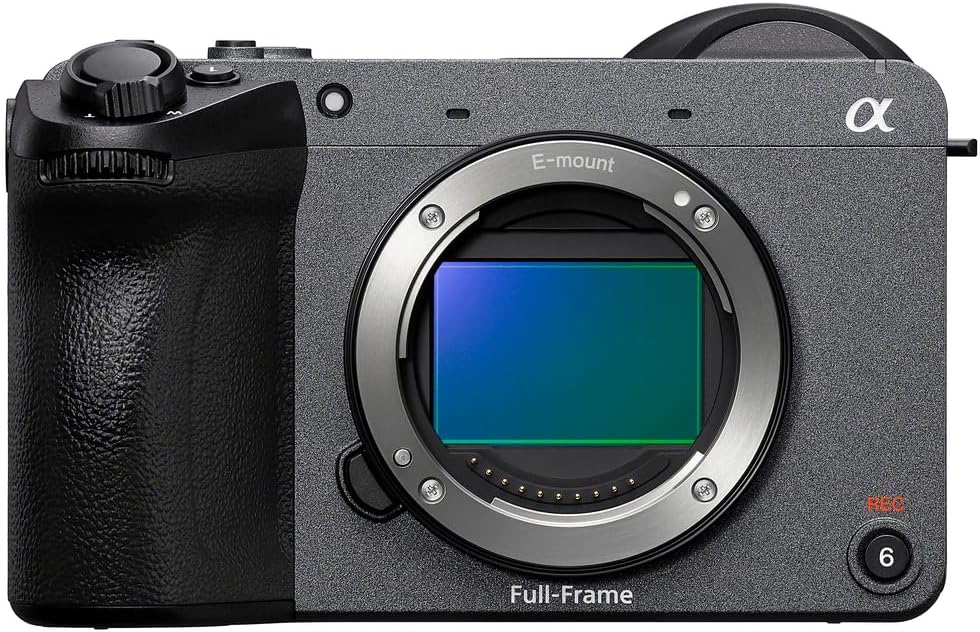
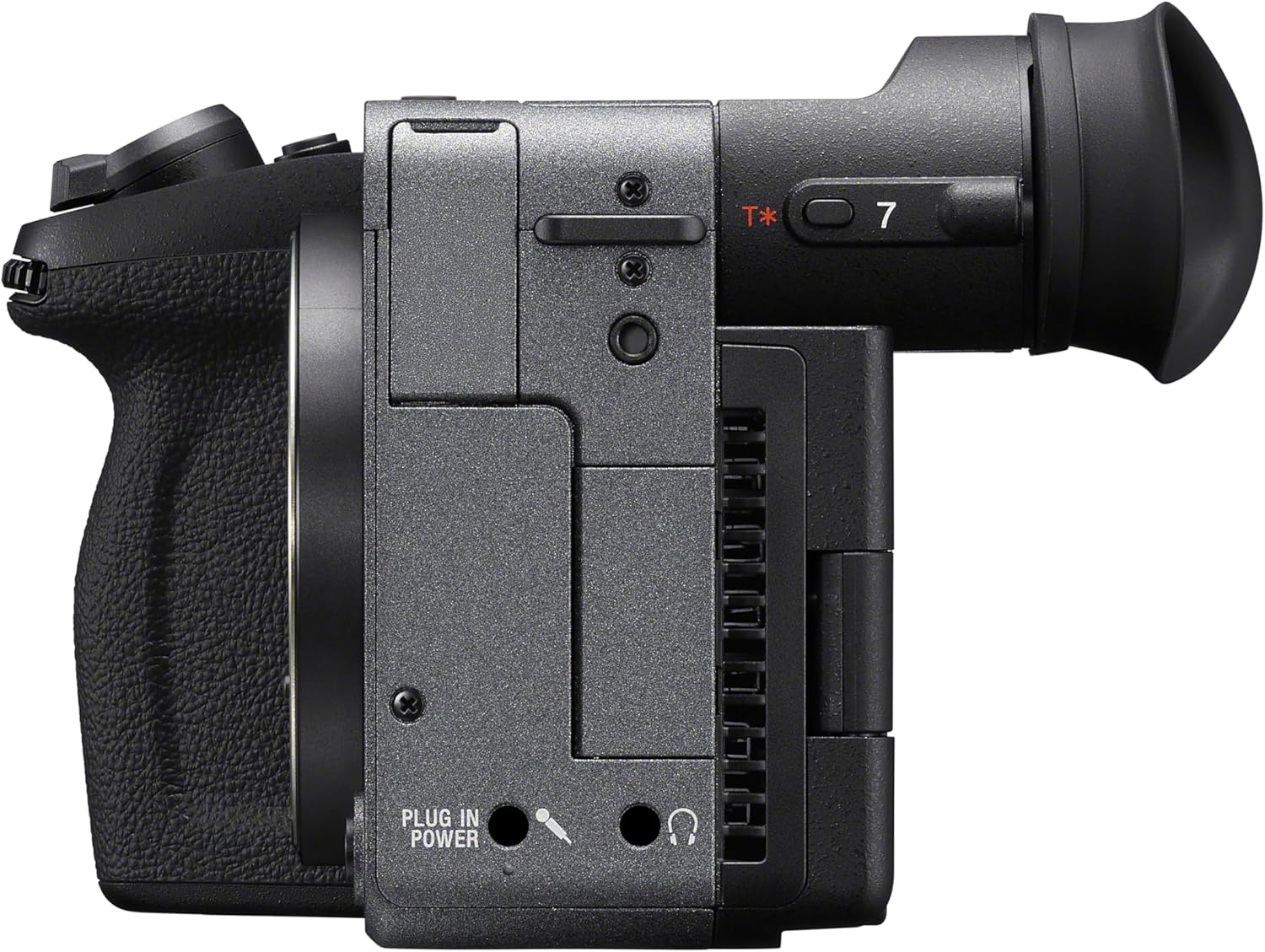
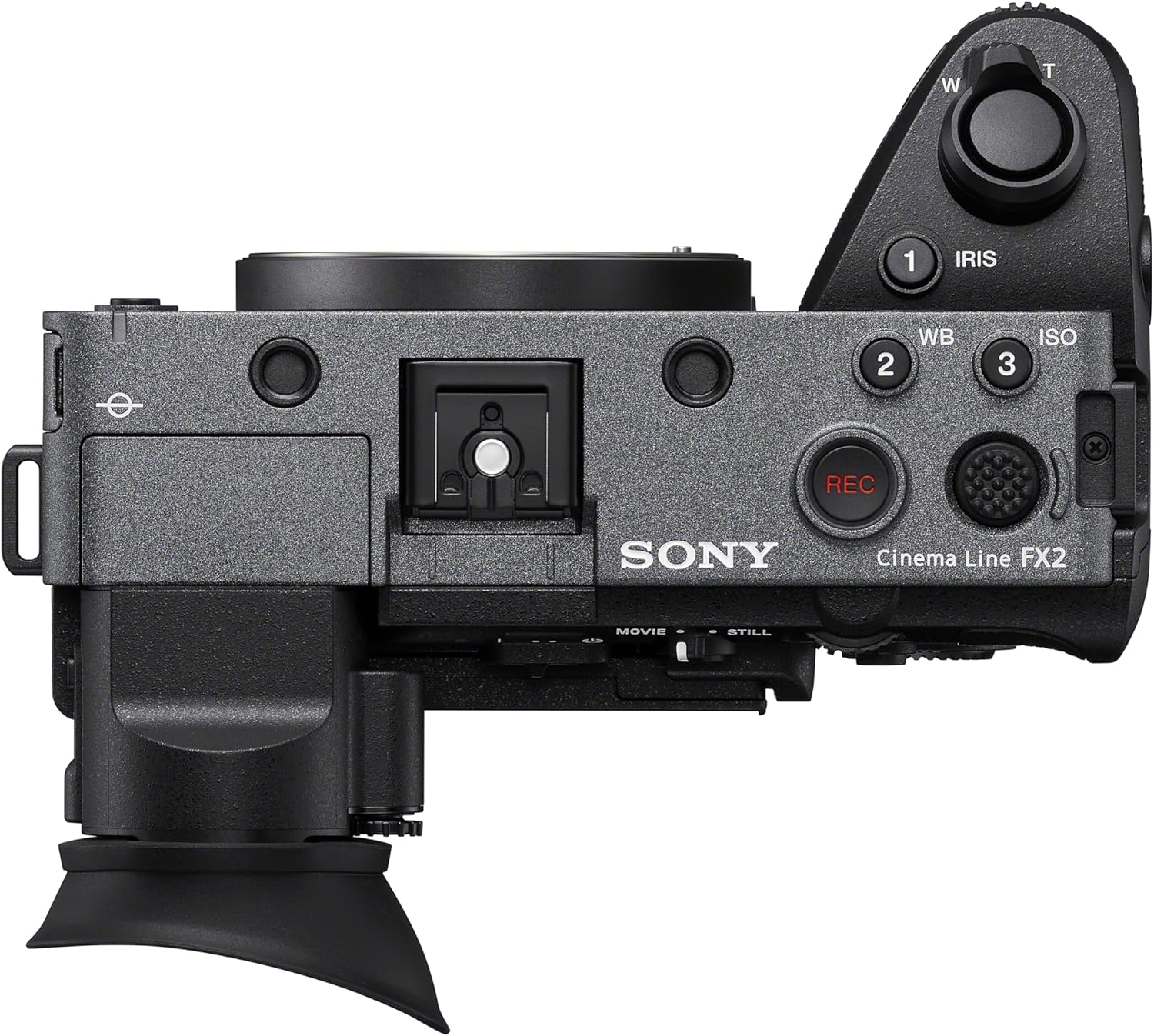
The Sony FX2 is a versatile full-frame hybrid camera that bridges the gap between the Alpha mirrorless and Cinema Line series, featuring a high-resolution 33MP sensor and a unique tilting electronic viewfinder. It delivers exceptionally sharp 4K video through 7K oversampling while maintaining a compact, fan-cooled body designed for solo filmmakers. This model introduces advanced AI-powered autofocus and stabilization features to the Cinema Line, making it a powerful tool for creators who demand both professional video specs and high-quality still photography.



Price: $2,999.99 - $2,498.00
(as of Apr 24, 2026 15:11:16 UTC – Details)

Look, I’ll be honest with you – when Sony announced the FX2, I wasn’t sure what to expect. The cinema camera market is already pretty crowded, and frankly, I was wondering if we really needed another option. But after spending several weeks with this compact powerhouse, I’ve gotta say, Sony might’ve hit something special here.
The FX2 isn’t trying to be everything to everyone, and that’s actually its biggest strength. It knows what it wants to be: a no-nonsense, full-frame cinema camera that delivers professional results without breaking your back or your budget. Let me walk you through what makes this thing tick.
The Heart of the Beast: That 33MP Full-Frame Sensor
At the core of the FX2 sits Sony’s full-frame Exmor R CMOS sensor with 33 megapixels. Now, you might be thinking, “Wait, isn’t more megapixels always better?” Well, not necessarily when we’re talking cinema. What Sony’s done here is strike a balance between resolution and low-light performance that actually makes sense for video work.
The sensor paired with the BIONZ XR image processor creates this sweet spot where you’re getting incredibly detailed footage without sacrificing performance in challenging lighting conditions. I’ve been shooting with this combo in everything from bright outdoor scenes to dimly lit interiors, and the consistency is impressive.
What really caught my attention was how clean the footage looks straight out of camera. There’s this organic quality to the image that doesn’t feel overly processed or artificial. You know that slightly sterile look some digital cameras can have? Yeah, the FX2 doesn’t suffer from that.
The sensor’s readout speed is particularly noteworthy – rolling shutter artifacts are minimal, even when tracking fast-moving subjects. I tested this extensively during a recent sports documentary shoot, and the FX2 handled rapid camera movements and quick pans without the jello effect that plagues many full-frame cameras. The pixel binning technology also means you’re getting true oversampled 4K rather than just a cropped section of the sensor, which translates to sharper, more detailed footage with better color accuracy.
Dynamic Range That Actually Matters
Sony claims 15+ stops of dynamic range in Log mode, and while I’m always a bit skeptical of manufacturer claims, this one seems to hold water. I’ve been pushing shadows and highlights in post, and there’s definitely more information there than I expected.
The dual base ISO system with settings at 800 and 4000 is where things get interesting. Most of the time, you’re gonna be living at ISO 800 for your daylight work, but when you flip to that 4000 base, it’s like the camera becomes a different beast entirely. Night scenes that would’ve been noisy messes on other cameras suddenly become workable.
I remember shooting this documentary piece last month where we had to capture a subject walking from bright sunlight into a dark warehouse. With the FX2’s dynamic range, I could expose for the highlights and still pull detail from those deep shadows in post. It’s not magic, but it’s pretty close.
Log Modes: Flexibility When You Need It
The FX2 offers three distinct Log shooting modes, and each serves a different workflow. There’s Flexible ISO, Cine EI, and Cine EI Quick – and honestly, having options is never a bad thing.
Flexible ISO is probably where most solo shooters and smaller crews will live. It’s straightforward – you set your ISO like you would on any camera, but you’re recording in Log for maximum post-production flexibility. No overthinking required.
Cine EI mode is where the FX2 starts feeling more like its bigger cinema camera siblings. You’re working with a base sensitivity, and the camera shows you exactly how your exposure changes will affect the final image. It takes some getting used to if you’re coming from traditional DSLR shooting, but once it clicks, you’ll appreciate the precision.
Cine EI Quick splits the difference. You get the benefits of the Cine EI workflow but with a more streamlined interface that doesn’t slow you down when you’re working fast. Perfect for those run-and-gun situations where you still want cinema-quality results.
The EVF: Small But Mighty
The angle-adjustable EVF might seem like a small detail, but trust me, it’s not. When you’re shooting handheld or working in tight spaces, being able to adjust that viewfinder angle without contorting yourself into weird positions is a game-changer.
The EVF itself is bright and detailed enough that you can actually judge focus and exposure reliably. I’ve worked with cameras where the EVF was basically just a rough guide, but the FX2’s viewfinder actually helps you make better creative decisions in the moment.
One thing I particularly appreciate is how the EVF handles high-contrast situations. You’re not getting fooled by blown-out highlights or crushed shadows – what you see is pretty close to what you’re actually recording.
The “BIG6” Interface: Keeping Things Simple
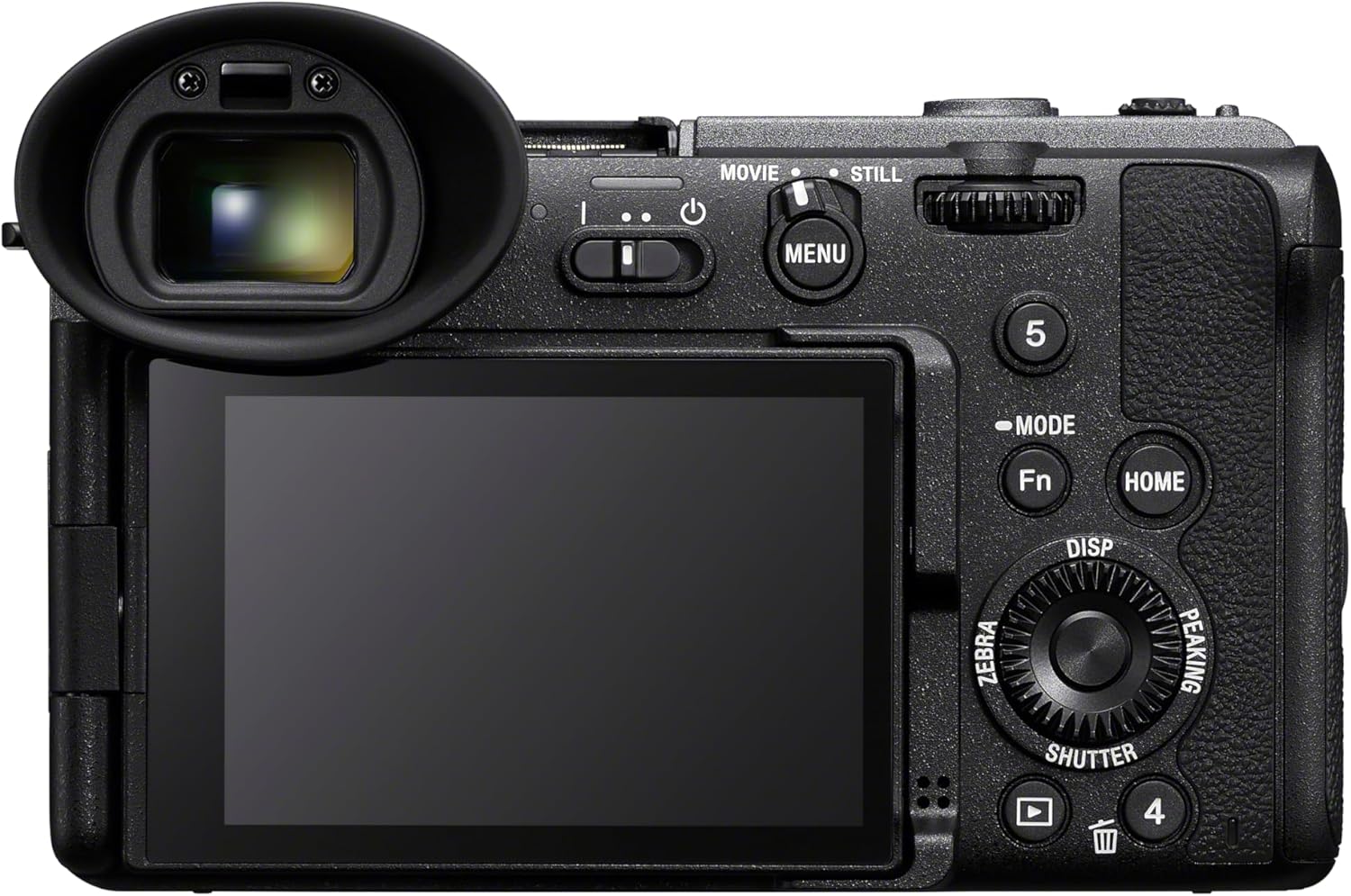
Sony calls their menu system the “BIG6” interface, and while I’m not sure about the branding, the functionality is solid. The idea is that your six most important settings are always easily accessible, and for the most part, it works.
Coming from other Sony cameras, the menu system feels familiar but more streamlined. You’re not digging through endless submenus to find basic settings. Frame rate, ISO, white balance, and other essentials are right where you’d expect them to be.
The touch interface is responsive without being overly sensitive. I’ve had cameras where accidentally brushing the screen would change settings, but the FX2 requires deliberate input. That might sound minor, but when you’re in the middle of a shoot, accidental setting changes can ruin takes.
Real-World Performance
Here’s where the rubber meets the road. I’ve been using the FX2 for everything from corporate interviews to short film work, and it’s proven surprisingly versatile. The full-frame sensor gives you that shallow depth of field look that clients expect, while the Log recording preserves enough information for serious color grading.
Battery life is decent – not amazing, but workable. You’ll want backup batteries for longer shoots, but that’s pretty standard for cameras in this class. The body itself feels solid without being unnecessarily heavy. After a full day of handheld shooting, I wasn’t dealing with the fatigue I get from some larger cinema cameras.
Heat management has been surprisingly good. Even during longer recording sessions in warm conditions, I haven’t run into thermal shutdowns. Sony seems to have learned from some of their earlier overheating issues.
Who Should Consider the FX2?
The FX2 sits in an interesting spot in Sony’s lineup. It’s not trying to compete with the high-end FX9 or replace the popular FX6. Instead, it’s carving out its own niche for shooters who want cinema camera features in a more compact, accessible package.
If you’re a documentary filmmaker, content creator, or small production company looking to step up from DSLR-style cameras without jumping straight to full cinema camera complexity, the FX2 makes a lot of sense. It gives you professional recording options and image quality without requiring a dedicated camera operator.
For wedding videographers or event shooters, the combination of low-light performance and compact size could be compelling. You’re getting cinema camera image quality in a package that won’t intimidate subjects or draw unwanted attention.
The Bottom Line
The Sony FX2 isn’t perfect – no camera is. But it’s thoughtfully designed for its intended market. The 33MP full-frame sensor delivers excellent image quality, the BIONZ XR processor keeps everything running smoothly, and the flexible Log recording modes give you options without overwhelming complexity.
What I appreciate most about the FX2 is that it doesn’t try to be something it’s not. It’s a solid, reliable cinema camera that focuses on delivering great images without unnecessary complications. Sometimes that’s exactly what you need.
If you’re looking for a step up from traditional mirrorless cameras but aren’t ready for full cinema camera complexity, the FX2 deserves serious consideration. It’s not gonna revolutionize filmmaking, but it might just make your shoots a little easier and your footage a little better. And honestly, that’s enough.
DJI Osmo Action 6: Stunning 8K, Cold-Resistant Power for Everyday Adventures


