





Price: $229.00 - $198.99
(as of May 08, 2026 18:14:39 UTC – Details)

The world of compact adventure gear is crowded, yet the newest entrant from DJI manages to carve out a distinct niche. Enthusiasts who crave crystal‑clear footage in challenging environments are constantly searching for a device that blends rugged durability with cutting‑edge imaging tools. This DJI Osmo Action 4 review unpacks every major facet of the camera, from its sensor size to its battery endurance, and explains why it is quickly becoming a favorite among bikers, divers, and vloggers alike. By the end of this piece, you will have a clear picture of whether the Osmo Action 4 deserves a spot in your travel kit.
Design And Build Quality
Rugged Frame And Protective Features
The chassis of the Osmo Action 4 is engineered for demanding outdoor scenarios. A reinforced polymer shell shields internal components while a magnetic quick‑release system lets you swap mounts in seconds. The inclusion of a Horizontal‑Vertical Protective Frame ensures that shooting in portrait orientation remains secure, eliminating the wobble that often plagues sideways action shots.
Waterproof Capabilities
When you venture below the surface, the camera can be sealed inside a waterproof case rated for depths of up to 18 meters. This rating holds true even when the device is exposed to high‑impact water pressure. However, it is advisable to avoid hot springs or chemically aggressive liquids, as prolonged exposure could degrade the sealing elements over time.
Ergonomic Controls
Two full‑color touchscreens provide intuitive operation. The rear display flips for selfie‑style shooting, while the front screen offers a live view that simplifies framing when the camera is mounted on a helmet or handlebar. Physical buttons are limited but strategically placed to allow one‑handed adjustments even when wearing gloves.
Imaging Capabilities
Sensor And Low‑Light Performance
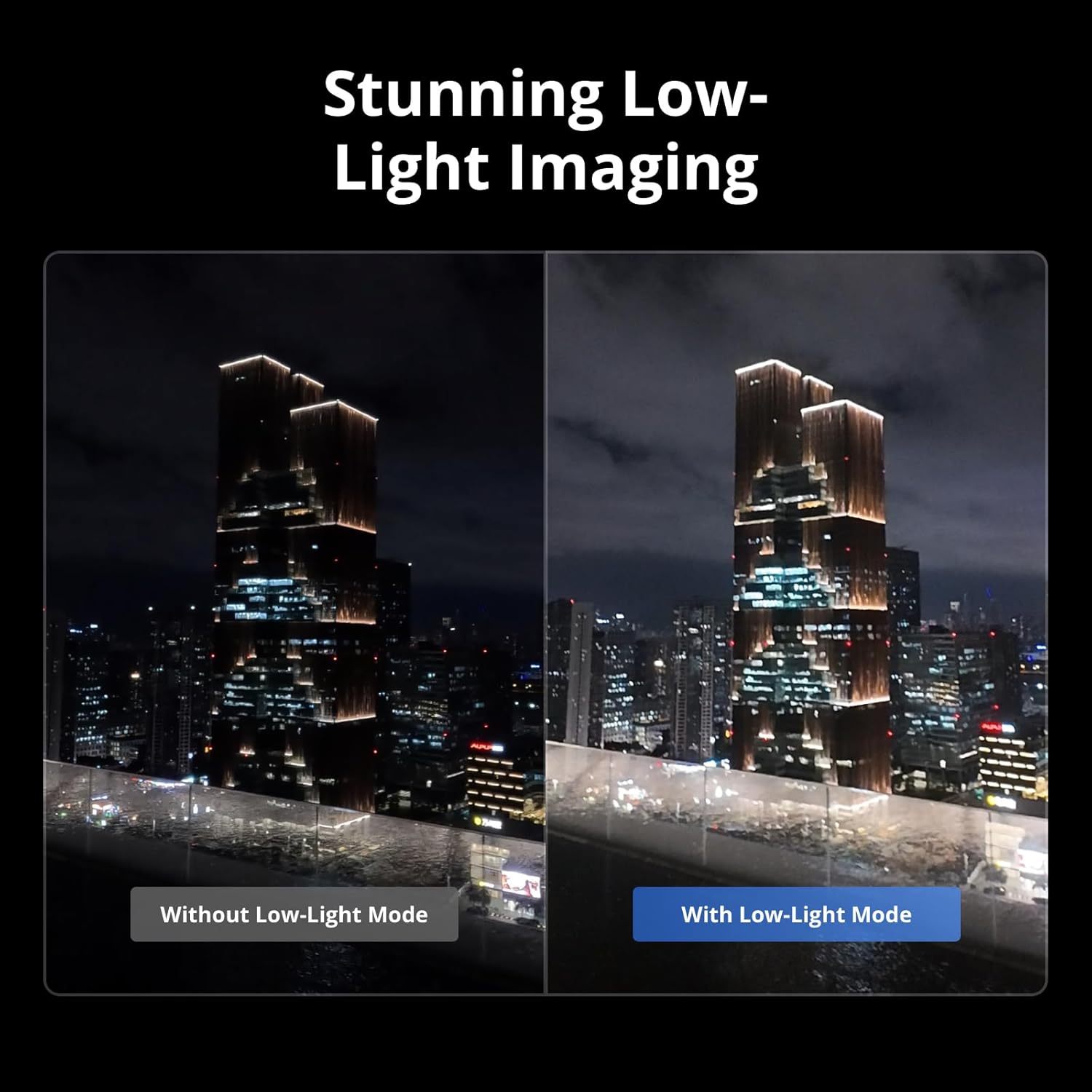
At the heart of the Osmo Action 4 lies a 1/1.3‑inch CMOS sensor with 2.4 micron pixels. This larger sensor captures considerably more light than previous generations, delivering cleaner images in dimly lit settings such as indoor gyms or twilight trails. Auto white balance adapts on the fly, preserving natural skin tones and preventing the greenish tint that often appears in underwater footage.
Video Resolution And Frame Rates
The camcorder supports 4K recording at 120 frames per second across several aspect ratios, including 16:9 and 1:1. For those who need ultra‑smooth motion, the 1080p mode can push up to 240 frames per second. The ultra‑wide 155‑degree field of view lets you capture expansive landscapes without the need for additional lenses, though stabilization must be disabled to fully exploit this perspective. ### Color Depth And Dynamic Range
Ten‑bit color depth preserves subtle gradients, while the D‑Log M gamma curve retains a wide dynamic range for post‑production flexibility. This combination is especially valuable for creators who intend to color‑grade footage later, as it prevents the washed‑out look that many budget action cameras exhibit.
Image Stabilization
Three distinct stabilization modes work together to keep footage steady. RockSteady 3.0 delivers gimbal‑like smoothness for handheld shots, while Horizon Steady helps maintain a level horizon during rapid maneuvers. This trio ensures professional‑grade footage regardless of the activity’s intensity.
Battery And Cold Weather Performance
Power longevity
The built‑in 1770 mAh battery can run for up to 150 minutes under typical shooting conditions. When operating at 1080p with RockSteady enabled, Wi‑Fi disabled, and the screen turned off, the runtime extends slightly, offering a modest buffer for longer expeditions.
Cold environment endurance
Testing in a simulated -20 °C environment shows that the battery continues to discharge steadily, making the Osmo Action 4 reliable for alpine adventures. This cold‑resistance is a decisive advantage over many competitors that lose capacity rapidly when temperatures dip below freezing.
Charging Convenience
A 65‑watt USB‑C charger can replenish the battery from empty to full in roughly an hour. The charger’s high output also supports powering other devices, adding versatility for multi‑device camps.
Workflow And Connectivity
Wireless Transfer
Bluetooth and Wi‑Fi enable rapid off‑loading of footage to a smartphone or laptop. The DJI Mimo app, now accessible via the manufacturer’s website, provides a streamlined interface for previewing, editing, and sharing clips. Although the app is no longer listed on mainstream app stores, the official download link remains stable.
Audio Integration
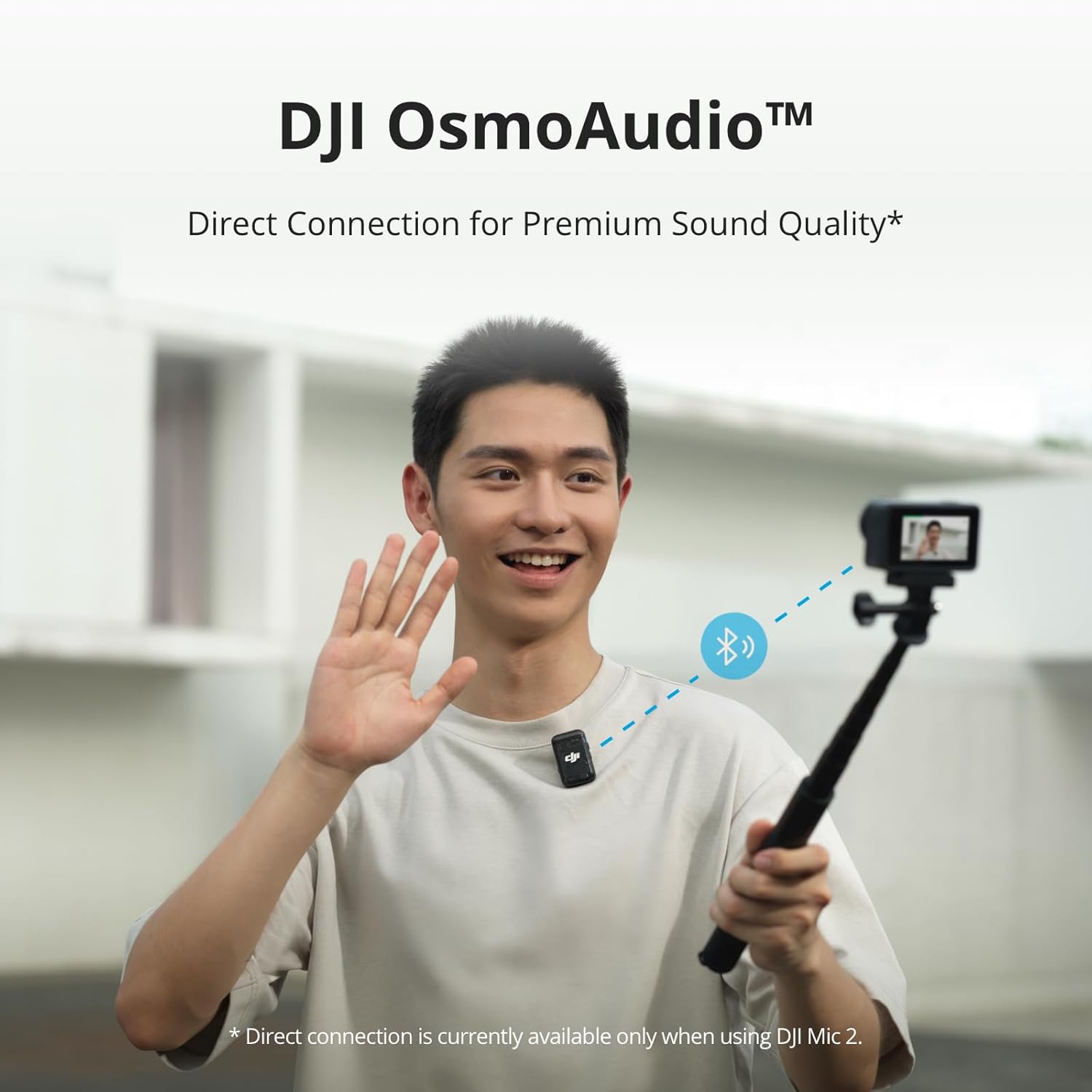
A built‑in port allows direct connection to DJI’s Microphone 2 or Mic Mini transmitters. This integration eliminates the need for external recorders, delivering clear, broadcast‑quality sound for vlogs, interviews, and livestreams.
Highlight Clip Function During recording, users can mark specific moments that stand out visually or audibly. Later, these highlights can be pinned for quick retrieval, saving valuable editing time when reviewing lengthy bike‑trail or surf‑session videos.
Accessories And Combo Options
Essential versus Standard versus Adventure Packs
DJI packages the Osmo Action 4 in three distinct bundles. The Essential Combo offers a streamlined set of accessories, while the Standard adds a curved adhesive base for alternative mounting angles. The Adventure Combo expands the kit with three extra batteries, a multifunction battery case, an extension rod, and dual quick‑release mounts. Each configuration targets a different user profile, from casual travelers to serious expedition leaders.
Mounting Flexibility
The magnetic quick‑release system works seamlessly with a variety of third‑party mounts, allowing the camera to be attached to helmets, surfboards, or vehicle interiors. The extension rod featured in the Adventure kit enables high‑angle shots that would otherwise require bulky rigs.
Real‑World Use Cases
Cycling And Trail Riding Mounting the Osmo Action 4 on a bike’s handlebar yields buttery‑smooth footage thanks to RockSteady 3.0 and the 155‑degree field of view. Riders can quickly switch between landscape and portrait orientations using the protective frame, capturing dynamic perspective shifts without interrupting the ride.
Underwater Exploration
When fitted with the waterproof case, the camera withstands repeated dives to 18 meters. The low‑light sensor excels at rendering vibrant coral colors, while the 10‑bit color depth ensures that subtle marine hues are preserved for later editing.
Winter Sports
Skiers and snowboarders benefit from the battery’s performance at sub‑zero temperatures. The camera’s anti‑freeze design keeps the lens clear of condensation, and the high frame‑rate options allow for dramatic slow‑motion replays of tricks.
Cost Considerations And Value Assessment The pricing strategy positions the Osmo Action 4 competitively within the premium action‑camera segment. While the base model carries a modest premium over older generations, the added battery longevity, enhanced sensor, and expanded accessory ecosystem justify the investment for creators who demand reliability across varied environments. Seasonal promotions and bundle discounts often bring the total cost down, making the device more accessible to hobbyists. ## Final Verdict
Balancing image fidelity, rugged construction, and intelligent features, the DJI Osmo Action 4 stands out as a versatile tool for anyone who records high‑stakes adventures. Its pre‑recording function adds a safety net for unpredictable moments, while highlight clipping streamlines post‑production workflows. Whether you are documenting a sunrise surf session, a mountain biking descent, or a deep‑sea exploration, the Osmo Action 4 delivers consistent results that keep pace with demanding creators. For those weighing alternatives, the combination of low‑light sensor prowess, cold‑weather battery resilience, and magnetic mounting flexibility offers a compelling edge that few rivals can match. In short, the Osmo Action 4 is not merely an incremental upgrade; it redefines expectations for what an action camera can achieve in the modern creator’s toolkit.


